Logistic Software Development

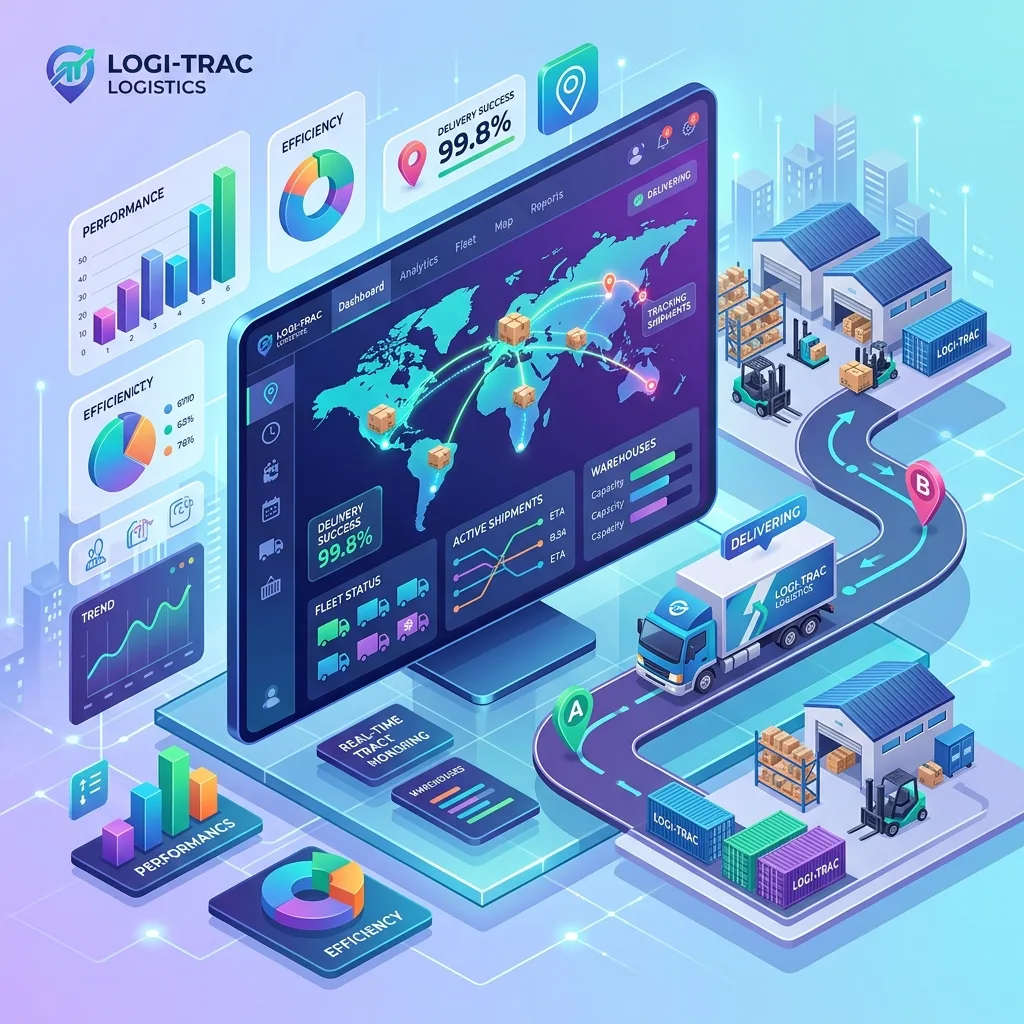
We create powerful logistic software solutions that help businesses manage transportation, delivery, warehouses and supply chain operations more efficiently. At IHook Web Solutions, we develop secure, scalable and user-friendly logistic software that helps companies improve operational performance and customer satisfaction.

Get Free Consultation
Logistic Software Development

What is Logistic Software Development?

Businesses today need systems to manage transportation, warehouse operations and supply chain activities smoothly. Logistic software development helps businesses operations, track shipments and improve delivery efficiency digitally.

Logistic Software development is about creating software applications that manage logistics operations like transportation management, inventory tracking, delivery scheduling and warehouse management.

We are experienced in:

  • Transportation Management Software
  • Fleet Management Solutions
  • Warehouse Management Systems
  • Delivery Tracking Applications
  • Supply Chain Management Platforms

Logistic software helps businesses improve visibility increase efficiency and manage logistics processes in real-time. Logistic software development plays a role, in helping logistic software businesses grow faster and stay competitive in the logistic software industry.

Logistic Software Development

Improve Business Operations with Smart Logistic Software

Businesses these days need to get things to people fast and they need to be good at managing how they do it so that customers are happy. Logistic software is a help here it makes it easier for businesses to move things around talk to each other and get everything done.

A good logistics software solution can really help businesses do things better and make customers trust them more.

Better Shipment Tracking

Logistic software lets businesses and customers see where their deliveries are in time. This means everyone knows what is going on and gets the information about their shipments.

Improved Operational Efficiency

Logistic Software can do things automatically which means businesses do not have to do much work by hand. It helps with things like planning the routes managing inventory and scheduling deliveries.

Faster Delivery Management

Smart logistics platforms help businesses find the way to get things delivered and avoid delays. This makes deliveries happen faster. Customers are happier.

Better Inventory Management

Businesses can keep an eye on how much stock they have what is happening in their warehouses and if products are available all because of logistic management systems.

Increased Customer Satisfaction

Customers get updates away they know when things will arrive and they can talk to businesses easily all because of logistics applications, which makes them really happy, with the whole experience.

Pros and Cons of Logistic Software Development

Logistic software provides many benefits for businesses that want to improve supply chain and transportation management. Understanding both advantages and challenges helps companies make better decisions before investing in logistics technology.

Real-Time Tracking

Pros: Businesses can monitor vehicles, shipments and deliveries in real time for better operational visibility.

Cons: Real-time tracking systems require stable internet connectivity and advanced infrastructure.

Better Route Optimization

Pros: Logistics software helps businesses reduce fuel costs and improve delivery speed using smart route planning.

Cons: Complex route optimization systems may require continuous monitoring and updates.

Improved Warehouse Management

Pros: Businesses can automate warehouse processes and improve inventory accuracy.

Cons: Initial implementation and integration may take time for large businesses.

Faster Communication

Pros: Logistic platforms improve communication between drivers, warehouse teams and customers.

Cons: Frequent notifications and alerts may sometimes create operational distractions.

Enhanced Business Productivity

Pros: Automation reduces manual work and improves operational efficiency.

Cons: Software development and maintenance can increase operational expenses.

Better Data Analytics

Pros: Logistic software helps businesses analyze delivery performance, customer behavior and operational efficiency.

Cons: Businesses must maintain proper security measures to protect operational data.

Multi-Platform Accessibility

Pros: Logistic software can be accessed through web applications, mobile applications and cloud platforms.

Cons: Supporting multiple devices and platforms requires additional development work.

Major Challenges in Logistic Software Development

Development Complexity

Building advanced logistics software is complicated because it needs to work with GPS tracking systems, payment systems, warehouse management tools and third-party APIs. This requires planning and technical expertise.

Data Security Risks

Logistics platforms handle business information and customer data daily. They need security systems to protect this information from unauthorized access and cyber threats.

Scalability Requirements

As businesses grow their logistics software should be able to handle users, vehicles, warehouses and transactions without slowing down.

Real-Time Data Processing

Modern logistics systems need to provide real-time updates for delivery tracking, fleet management and inventory monitoring. This means processing amounts of data quickly and efficiently.

Technology Upgrades

The logistics industry is constantly changing with technologies like AI, IoT and cloud computing. Businesses must keep updating their software systems to stay competitive in logistics.

User Experience Management

Different people use logistics software in ways. Drivers, warehouse teams, administrators and customers all have different needs. Creating a to-use experience for all these users is very important for logistics software.

Modern Logistic Solutions

We build scalable and intelligent logistics software solutions for businesses worldwide using advanced technologies and modern development practices, in logistics.

Our Logistic Software Technology Stack

Frontend Technologies
User_Interface

Frontend Technologies

Flutter: Develop high-performance logistics mobile applications for Android and iOS using a single codebase. It improves development speed and user experience.

React Native: Create cross-platform logistic applications with smooth performance and modern user interfaces.

Angular: Develop powerful web-based logistics dashboards with responsive and interactive designs.

Swift & Kotlin: Native iOS and Android logistics applications with advanced security and excellent stability.

Backend Technologies
Core_Logic

Backend Technologies

Node.js: Supports scalable backend development for logistics applications with real-time tracking and fast data processing capabilities.

Python: Build AI-powered logistics solutions, automation systems and intelligent analytics platforms.

Laravel: Provides secure backend architecture and simplifies complex logistics management systems.

.NET: Ideal for enterprise-level logistics software with secure integrations and large-scale business operations.

Firebase: Supports real-time database management, cloud hosting and secure authentication services.

Database Technologies
Data_Storage

Database Technologies

MongoDB: Efficiently handles large logistics data and real-time operational information.

PostgreSQL: Provides secure and stable database management for enterprise logistics applications.

MySQL: Helps businesses store and manage logistics data efficiently with excellent performance.

Firebase Realtime: Supports instant synchronization for real-time tracking and delivery updates.

Cloud Platforms
Scalable_Hosting

Cloud Platforms

AWS: Provides secure cloud infrastructure for hosting logistics platforms with high scalability and availability.

Google Cloud: Improves operational performance and supports large-scale logistics applications.

Microsoft Azure: Delivers enterprise-grade cloud solutions with advanced security and reliable integrations.

Security Technologies
Data_Protection

Security Technologies

End-to-End Encryption: Protects communication and sensitive logistics data from unauthorized access.

Multi-Factor Authentication: Adds an extra layer of protection for logistics platform users.

Secure API Integration: Protects data communication between logistics systems and third-party services.

Data Protection Systems: Help businesses prevent data breaches and maintain secure logistics operations.

Logistic Software Development Lifecycle

To make a logistics platform that really works you need to plan it out and make sure it is developed in the right way. Our way of developing logistics software helps companies build logistics solutions that they can really count on and that will not fall apart as they get bigger.

01

Business Requirement Analysis

We take the time to understand what the company wants to achieve how they do things now and what problems they are having with logistics before we even start building anything.

02

Market Research

Our team looks at what's happening in the industry what other companies are doing and what customers expect from a logistics platform so we can build something that is modern and useful.

03

UI/UX Design

We create logistics control panels and mobile apps that are easy to use and help the company run things more smoothly and make the people using them happy.

04

System Architecture Planning

Our developers design the underlying system in a way that will support the company as it grows and can handle things in time.

05

Software Development

We build logistics software that's safe and has all the features you need using the latest technology and development methods.

06

Quality Testing

We test everything completely to make sure it is secure works well and is easy to use on all platforms.

07

Deployment

We put the logistics software on cloud platforms. Make sure it works seamlessly with the companys existing operations.

08

Maintenance and Support

We keep helping the company updating the system and making sure it is secure so their logistics system keeps running and does not break down.

Latest Trends in Logistic Software Development

The logistics industry keeps changing with technologies and what users want. To stay ahead in the market, businesses need to use the latest trends.

01

Artificial Intelligence Integration

The Artificial Intelligence Integration system is really useful for businesses. It helps them to automate their operations and make predictions about delivery schedules.

02

Internet of Things

The Internet of Things is a technology that allows businesses to connect all their vehicles, warehouses and smart devices. This helps them to monitor their logistics in time.

03

Blockchain Technology

The Blockchain Technology is very good for making supply chain and logistics operations more transparent and secure. It helps to keep everything honest.

04

Cloud-Based Logistics Platforms

The Cloud-Based Logistics Platforms are very flexible. Can be used from anywhere. They are also very scalable. Provide easy access to all the operational data that businesses need.

05

Real-Time GPS Tracking

The Real-Time GPS Tracking system is very helpful for businesses. It helps them to monitor their vehicles and find the routes. This makes delivery management much easier.

06

Automation Solutions

The Automation Solutions are great for simplifying all the tasks in logistics. They help to improve the efficiency of operations and make things easier for businesses.

07

Mobile Logistics Applications

The Mobile Logistics Applications are very useful for drivers, customers and warehouse teams. They can use these apps to access information and manage their operations in a better way.

08

Predictive Analytics

The Predictive Analytics system is very good for helping businesses to forecast demand and manage their inventory. It also helps them to improve their supply chain planning and make decisions.

Our Logistic Software Development Process

We make sure to follow a process to create strong and scalable software for logistics businesses.

01

Business Consultation

We take the time to understand your logistics operations what your business needs and your goals. This helps us create the software solution for you. We look at your logistics operations, business requirements and future goals.

02

Strategy Planning

Our team makes a plan for how we will develop your software. This plan includes what features we will include what technologies we will. When we will finish each part of the project. A development strategy is created.

03

UI/UX Design

We design logistics platforms that're easy to use and look modern. Our goal is to make it easy for you to manage your operations. We design easy-, to-use logistics platforms.

04

Development

Our developers build logistics applications that're secure can grow with your business and work well. We use technologies to build them. Our developers use technologies.

05

Testing

We test the software to make sure it works well on all devices and systems. We perform testing.

06

Deployment

We put the logistics software into use securely. Make sure it integrates well with your operations. We deploy the logistics software.

07

Maintenance & Support

We provide updates to keep your software working well. We also monitor security. Provide technical support when you need it. We provide updates and security monitoring.

Why choose IHook Web Solutions for
Logistic Software

Choosing the logistics software company is key, to improving how your business runs and growing your company. It offers logistics software that is secure can grow with your business and meets the needs of todays logistics industry.

We have a lot of experience creating logistics software for companies that transport goods, online stores, warehouses and big businesses with supply chains.

At IHook Web Solutions we make software that's easy to use works well and keeps your data safe. Our logistics software can handle work as your business grows and still works fast and reliably.

Frequently Asked Questions?

Message Us
Telegram
Call Support
Email Us